Back in my 1990’s post frame building contractor days, we constructed a shop for a client near Moscow, Idaho. We probably didn’t ask enough questions up front and our client didn’t provide enough information to adequately prevent what was initially quite a challenge.
After we had completed construction of this building’s shell, our client poured a concrete slab-on-grade. He placed fiberglass insulation in exterior walls, with a well-sealed vapor barrier. Walls and ceiling were sheetrock and insulation was blown into the attic. Heat was provided by a propane heater.
After the building was occupied, our client called us to advise every one of his windows was leaking!
Turns out these “leaks” were a symptom of a larger problem. Our client had sealed his building so tightly, in order to close an exterior door, a window needed to be open. There was no under slab vapor barrier, nor was a sealant applied. His propane heater was not ventilated to an outside source, adding moisture to interior air (and drawing moisture through his slab). With nowhere to exit, moisture was condensing on the insides of his building’s cooler windows!
Owning and operating an airtight post frame home, shouse (shop/house) or barndominium will increase its energy performance and lower its carbon footprint. However, there are certain things one should keep in mind before building a new airtight post frame building.
A post frame building’s envelope consists of its roof, foundation and exterior walls, doors and windows, and this is what keeps indoor and outdoor air from mixing. When a post frame building envelope is not tight, it can lead to air leakage and drafts, decreasing a building’s overall energy efficiency and increasing utility bills. With a sealed building envelope and upgraded mechanical ventilation systems, energy costs can be controlled and a comfortable indoor environment can be created.
Airtight post frame buildings are passive buildings meeting Passivhaus standards for air leakage. This is a residential construction standard requiring very low levels of air leakage, very high levels of insulation, and windows with a very low U-factor. This standard recommends (not requires), a maximum design heating load of 10 watts per square meter and windows with a maximum U-factor of 0.14.
Unlike most United States standards for energy-efficient homes, this standard governs not just heating and cooling energy, but overall building energy use, including baseload electricity and domestic hot water.
These buildings have air leakage rates of less than .60 AC/H @ 50 Pascals (2012 IECC Code allows an air infiltration rate up to 3 AC/H @ 50 pascals). Use no more than 1.39kWh per square foot in cooling energy. Use no more than 4,755Btus per square foot in heating energy, and maintain a maximum entire building energy usage ratio of no more than 11.1kWh per square foot.
Airtight post frame buildings are extremely energy-efficient because mixing of indoor and outdoor air is extremely limited, reducing energy bills associated with heating and cooling. Besides a dramatic reduction in energy bills, expect improvements in building comfort, and whole house and heat recovery ventilation system energy efficiency. Moisture infiltration systems will be reduced.
When post frame buildings are constructed with airtightness and energy-efficiency in mind, it can lead to unintentional problems, like excessive moisture and CO2 levels. Thankfully, most of these problems can be corrected with proper installation of a mechanical ventilation system – condensation on exterior walls and windows, excessive indoor humidity, poor indoor air quality, mold and mildew.
Since airtight post frame buildings do not allow for a transfer of indoor and outdoor air, they need one or more mechanical ventilation systems to help ensure a building receives enough fresh air and indoor air, along with excessive moisture and particulate matter, is properly vented outside. This can be accomplished with fans, air ducts and ventilation control systems with sensors monitoring indoor CO2 levels.
Trained professionals can look at a proposed post frame building’s critical systems, including HVAC, lighting and plumbing, and help determine best upgrades to reduce consumption. These may include custom mechanical ventilation systems and sensors to help control indoor air quality and achieve optimum ventilation.
 For those who have been following along, I have covered preliminary steps leading to actually designing a functional and affordable floor plan.
 Thank you for your interest in a new Hansen Pole Building. We have wholesale relationships all across America and will ship bulkiest items, in most cases lumber and trusses, from your locale – freight costs will be no more for you, than they would be to any other location.
  Yes we can provide plans with a third-party engineered design for bracket set columns, as well as brackets.
 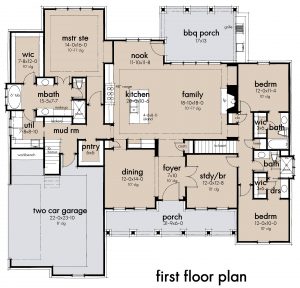 Home sizes can be split up into three groups – small (under 2000 square feet), medium (2000-2999 square feet) and large (over 3000 square feet). In discussions about possible rooms and sizes average square footage (sft) for each size will be indicated.
 For starters, m
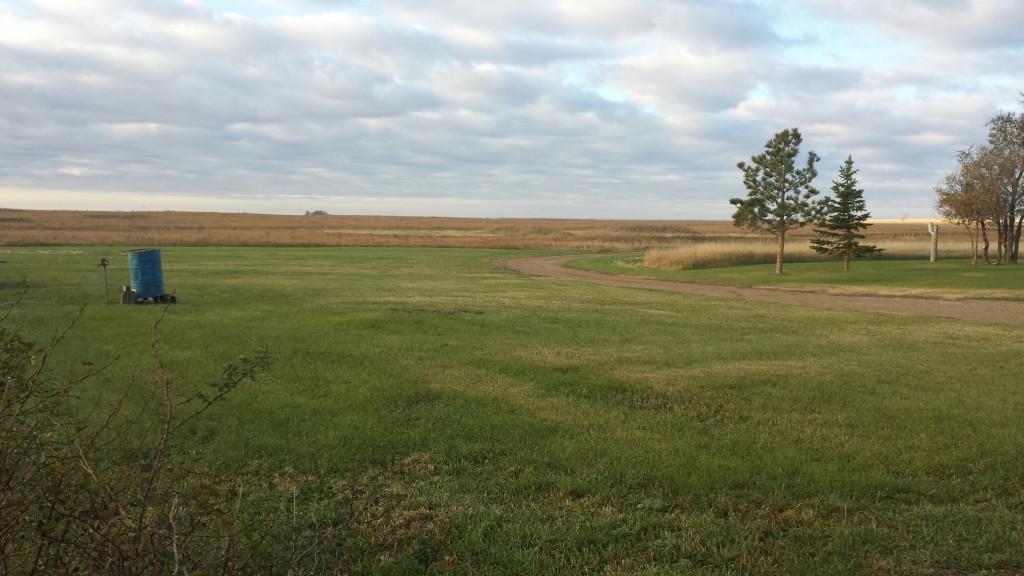 Avoid a site within a flood zone, unless you are prepared to invest extra to build above flood levels. Same goes for hurricane prone areas.
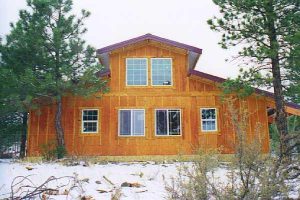 Barndominiums, shouses and post frame homes all fit into a similar category to me. This category heading would be titled, “Living in a Post Frame Building”, although other construction types may be used, post frame is going to give most bang for your investment.
 This is having your barndominium built (turn key), not for owner-builders.
 And my engineered post frame building kit package includes engineering, saving $6,400.
 It is also a really hard question to answer. You can probably guess standard cabinets and custom cabinets come with a very big price difference. This is merely one example of a myriad of differences between every single barndominium.
 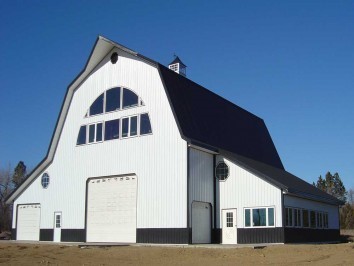 This building is entirely clearspan – no interior columns to have to work around. Second floor has a 10 foot wide step-down by four feet. This area has its own vaulted ceiling at a 7/12 slope and is used for exercise equipment. With a series of nine windows overlooking a beautiful lake, it takes one’s mind off the agonies of treadmilling and lifting weights.
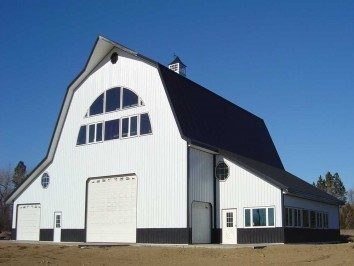
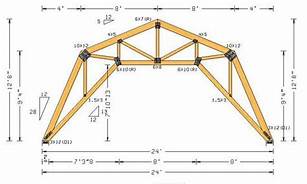
 When we built our gambrel roof style barndominium 15 years ago we were in a position financially where we could have done most anything we wanted to. Our property was over two acres in size, so available space was not a determining factor. After having lived in it every day for going on four years, I have realized there are some things I would have done differently. For sake of brevity, I will only discuss main clearspan portions of our barndominium (it has 18 foot width sidesheds).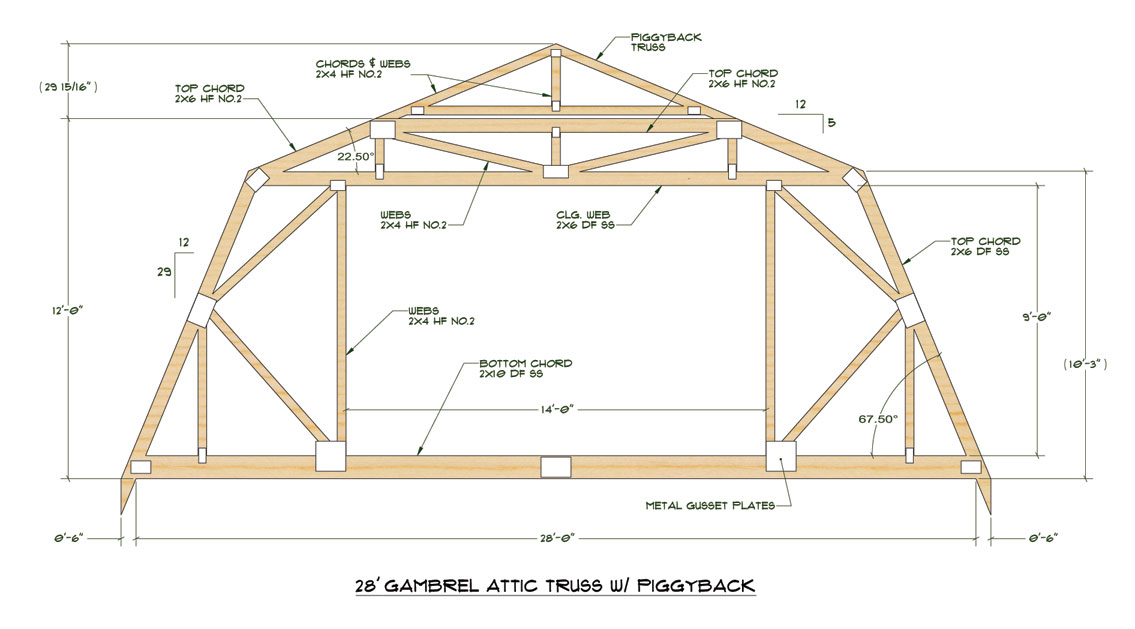
 We provide custom designed engineered post frame building kit packages. As we are wood framing, we provide no metal studs. We can supply Weather Resistant Barriers and Reflective Radiant Barriers as well as batt insulation. We typically provide only structural portions of buildings – exterior shell, any raised floors (for crawl spaces, second or third floors or lofts) but can provide interior wall framing, if desired. We can work from any client supplied floor plans, elevation drawings or sketches. We do not have ‘stock’ plans, as every client’s needs are different. We expect our clients to layout their own interior rooms, to best fit with those needs and lifestyle.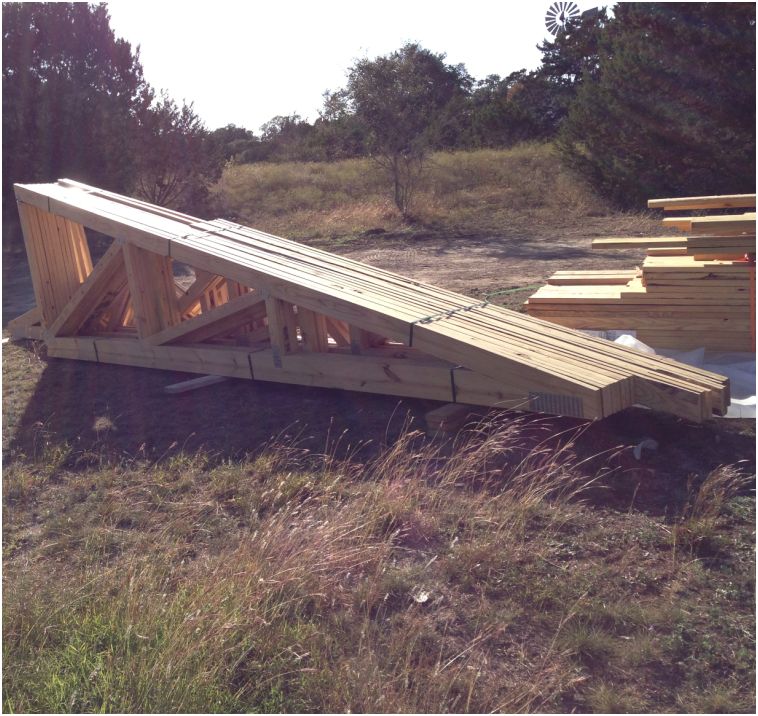
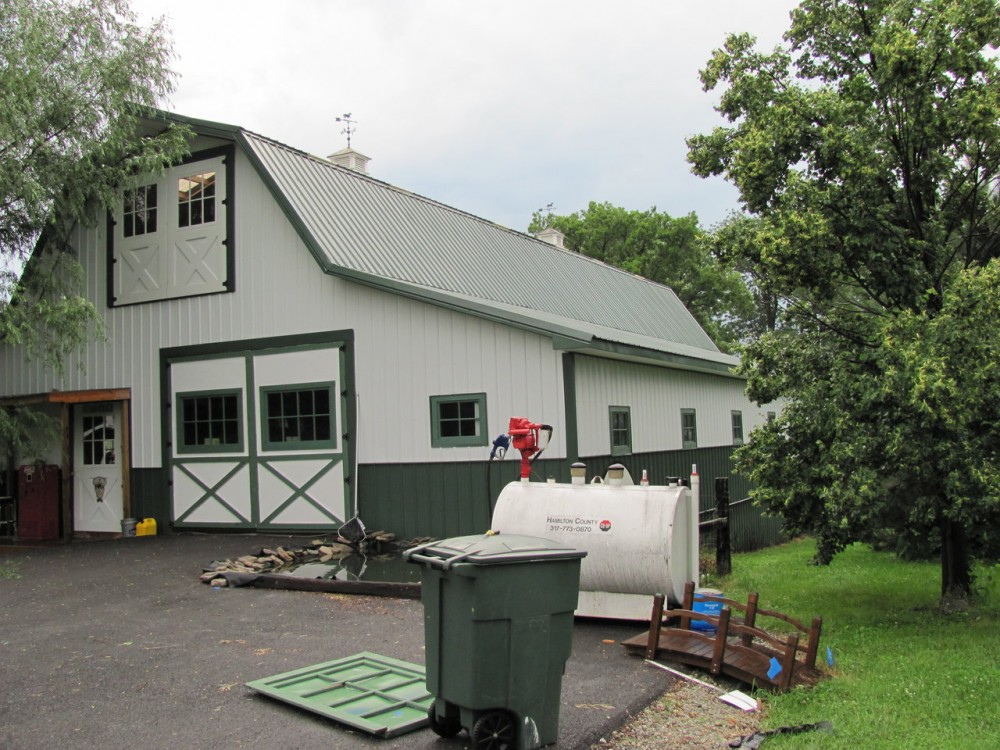
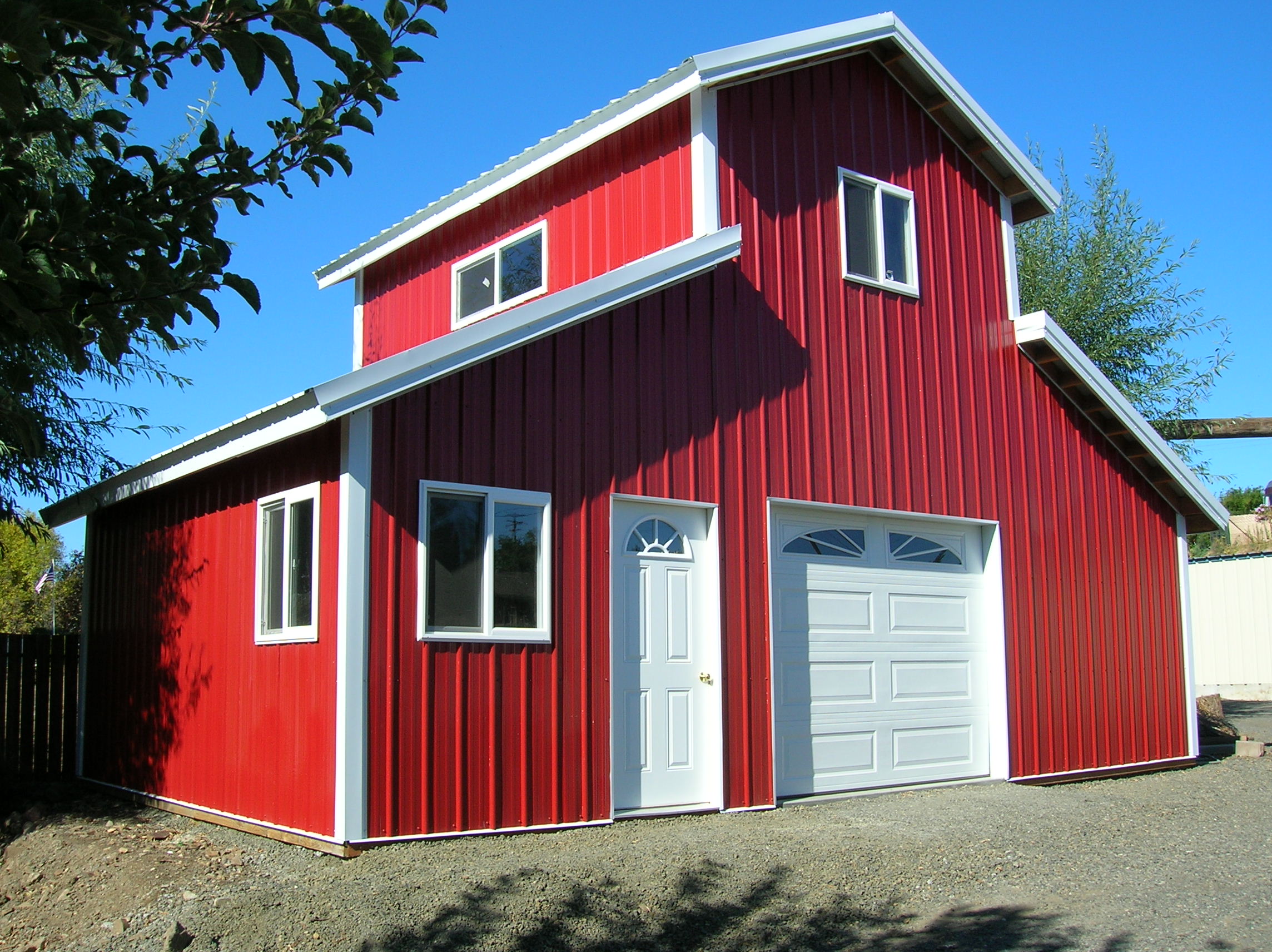 When you look at a barn, what do you see? A space for hay or machinery storage? Living quarters for livestock? If you’re like the increasing number of people in the market for a barndominium, you may see it as something completely different: a home.
 Barndominiums can also be constructed relatively quickly and easily. Barndominium material kits are readily available, allowing the do-it-yourselfer to assemble their own home or bring in a contractor for a reasonable price. Once barndominium contractors have completed their project, the exterior maintenance requirements are minimal.
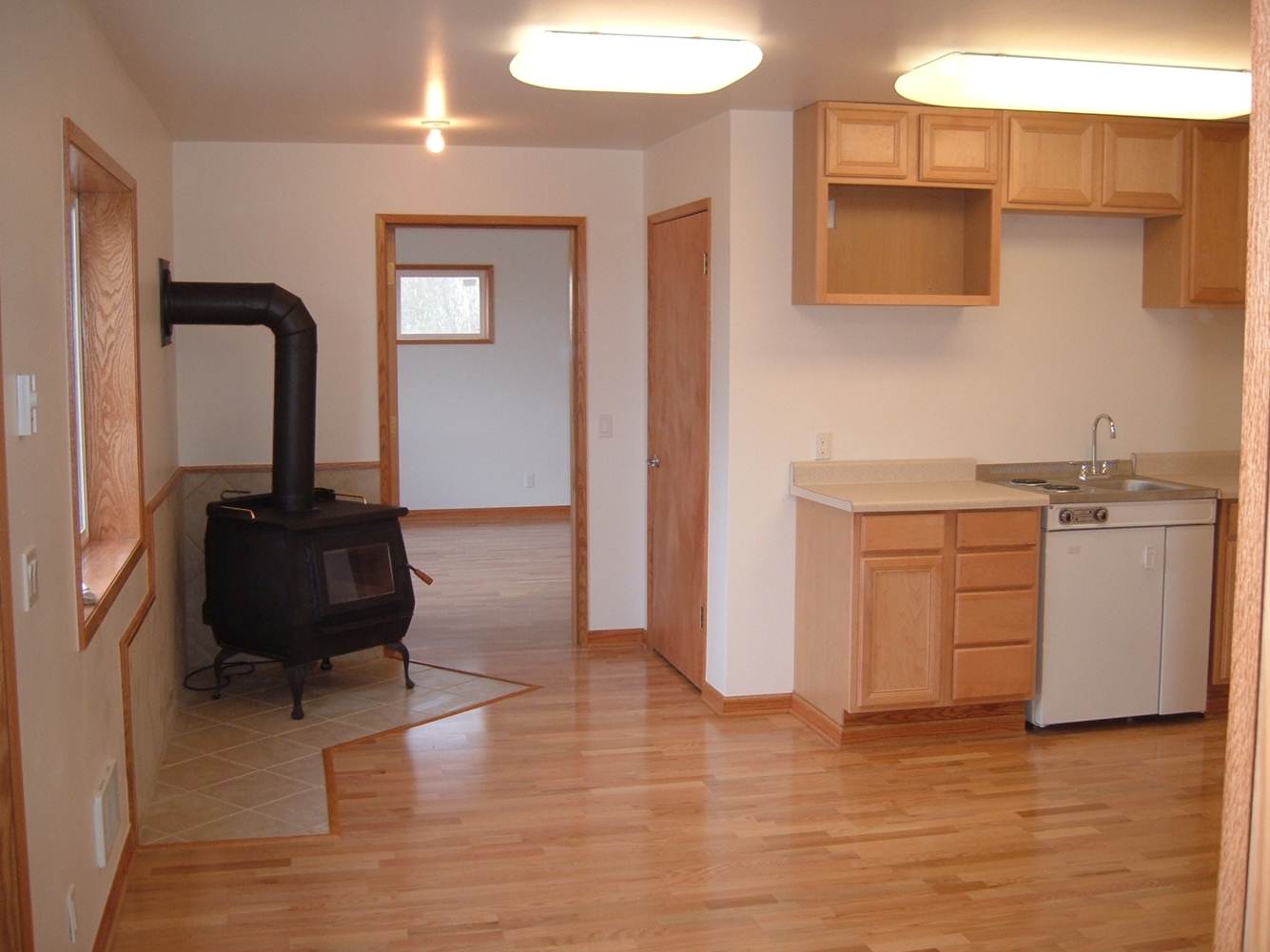 In terms of decorating a barndominium, the sky’s the limit. While pole buildings may naturally have a more simple look, many barndo owners customize their homes to have a more rustic appearance, using features such as wood beams, faux brick walls, and antique decorations. Of course, it’s just as easy to opt for a modern design, with open, airy spaces and wide glass doors and full-length windows. A common misconception is that barndominium pole buildlings must have metal sidings or a metal roof. That’s just not the case. A pole building can be designed and built with any roof or siding materials!