This Wednesday the Pole Barn Guru answers reader questions about converting conventional plans to “post beam frame,” pricing on floor trusses, and possible installation of metal ceiling to eliminate bird issues.
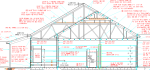 DEAR POLE BARN GURU: I have a set of plans for a that were designed to be conventional built. Would you be able to convert them to a post beam frame? If so what is the charge for that? JASON in BISMARCK
DEAR JAYSON: We work with clients every day who, just like you, have plans for a conventional stick built building. Our team is ready to assist you and when you order your building from us, engineer sealed plans are absolutely free.
DEAR POLE BARN GURU: Need price on 25′ floor trusses. Sub floor Engineered Need: # 64 Delivered to zip 92285 RICHARD in LANDERS
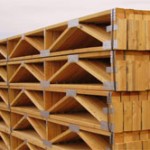 DEAR RICHARD: Thank you for your interest. Need to know use of building – residential, commercial, etc., any specific loading requirements? Deflection limitations, etc.? Spacing (typical is 24 inches on center)? Also, please send me an email of your plans so we can determine end conditions (bearing on top of a plate or walls, or top chord hung). Delivery charges will depend upon if you want them ASAP or if you can be flexible so we can combine them with other shipments heading your direction.
DEAR POLE BARN GURU: I have a 22 year old pole barn with metal roof and exterior. Because of the bird issue I have had over the past year I wanted to see if a metal ceiling could be installed. Barn is 30 x 34 but am not sure if the trusses would be able to hold the weight. Also the question of liner vs regular steel metal panels should be used. The roof has insulation panels underneath attached pics. Any advice you can give is appreciated. LORI in WASHINGTON
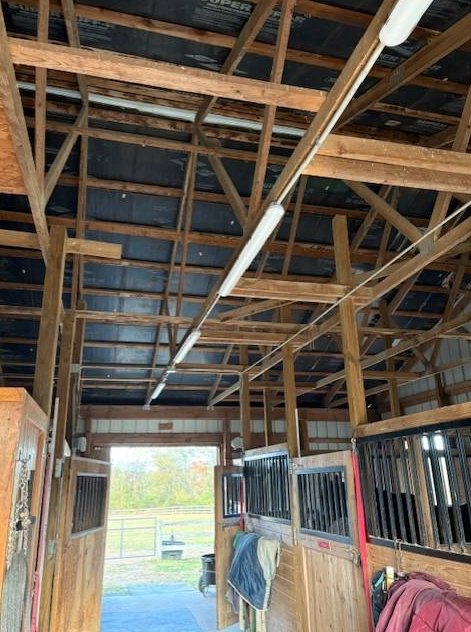
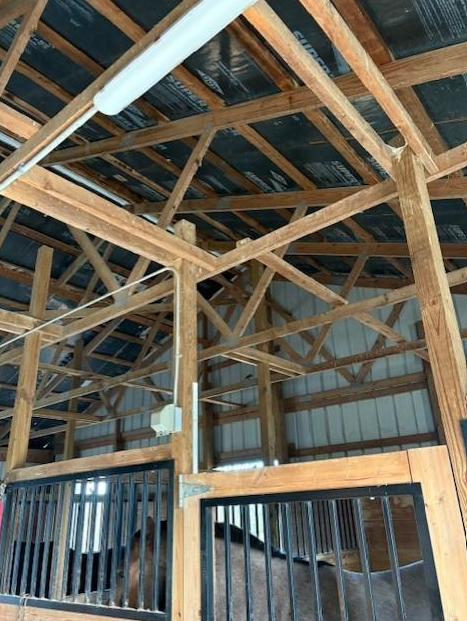
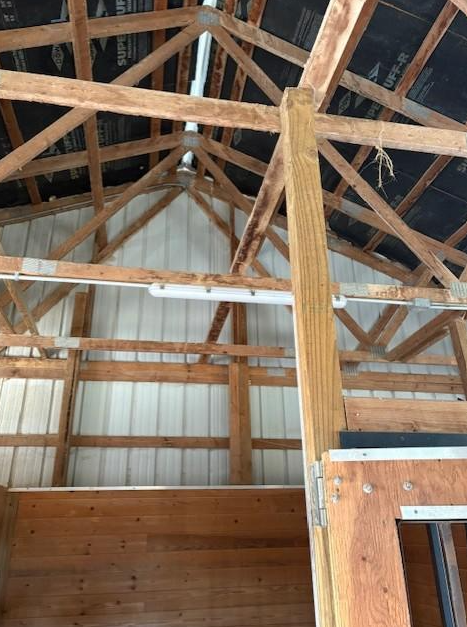
DEAR LORI: Most pole barn trusses are designed to support little or no weight added to bottom chords. With this being said a steel liner panel ceiling, without any framing being added (steel will easily span distance between your trusses), will add insignificantly to load (less than a pound per square foot). Chances are good, your trusses will carry this weight. You will want to make sure dead attic space being created has adequate ventilation intake (typically at eaves) and (ridge vent) to avoid having mold and mildew issues. Liner panels will be wholly proper for your installation and will save you a few dollars.
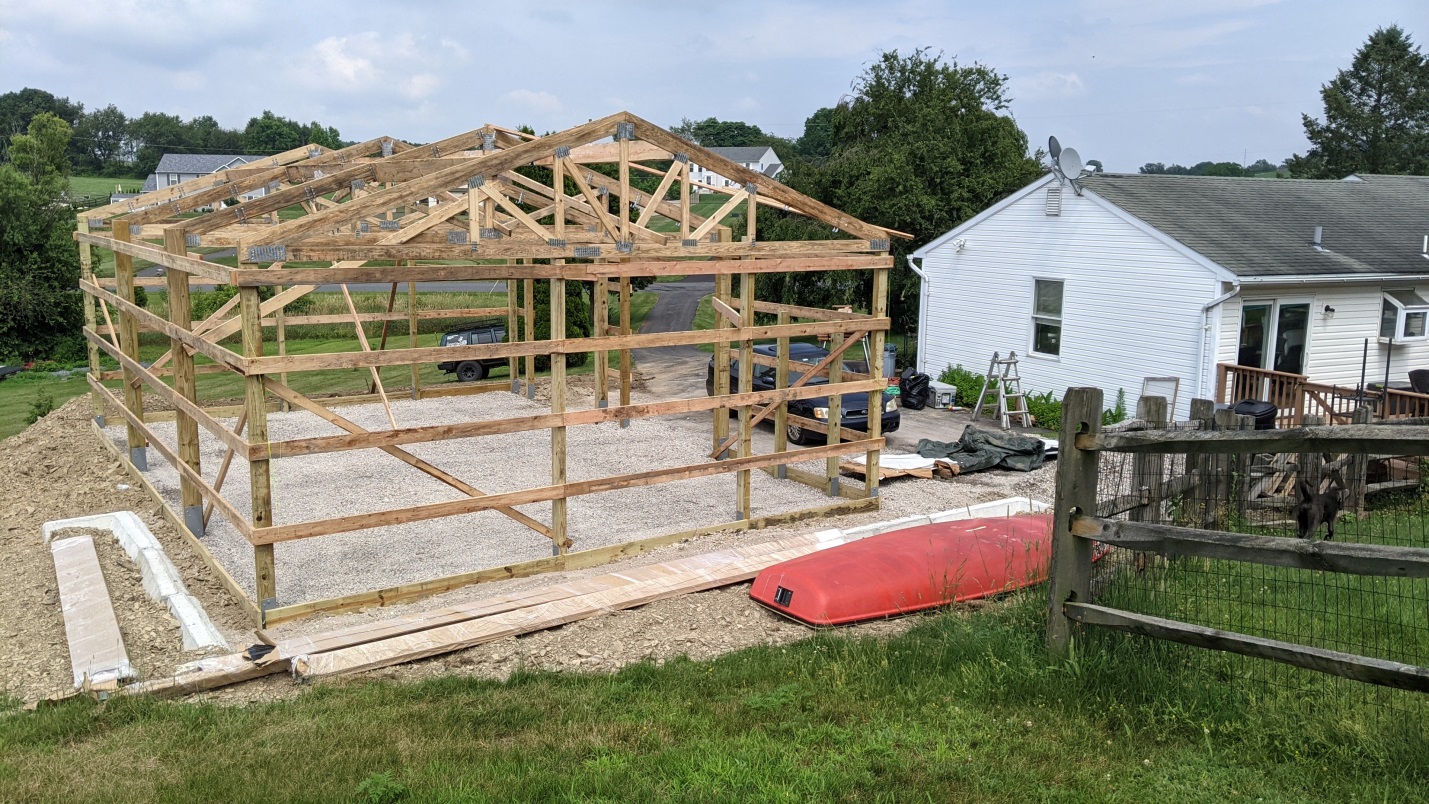
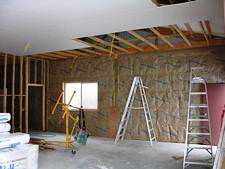
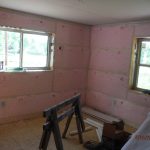 I have a question on the best orientation for the drywall for ceiling and walls. It seems that running the sheets perpendicular to the ceiling purlins and commercial girts would provide greater strength than parallel. What is your experience? I am planning on using 5/8 inch board.
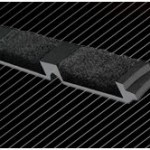 DEAR GARY: If your steel panels are 3′ wide, with 5/8″-3/4″ high ribs every 9″ we can provide form fitted ridge closures, if so, please reach out to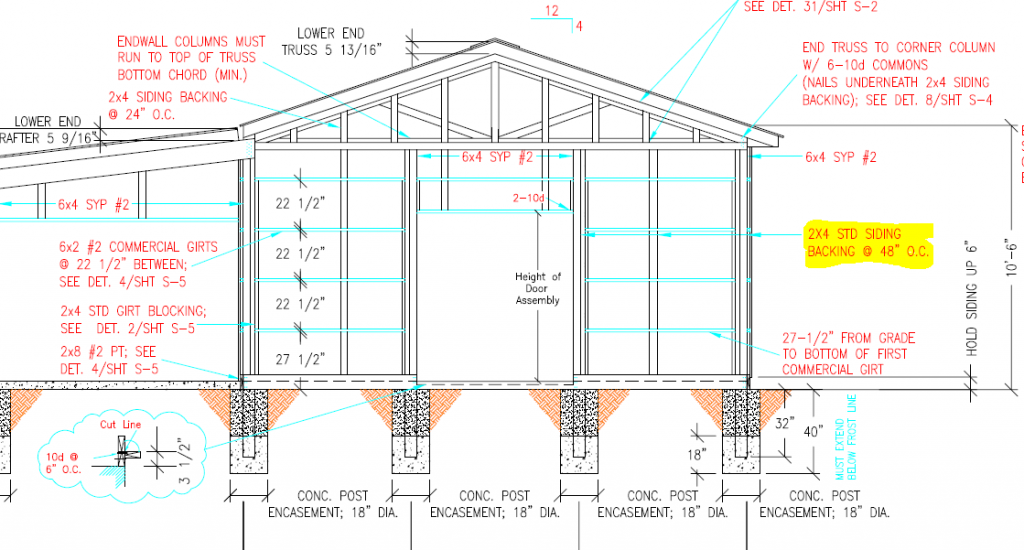
 DEAR POLE BARN GURU:
  DEAR RICK: Justine forwarded to you manufacturer’s warranty information in regards to your building’s glulaminated columns, specifying level of treatment as adequate for structural in ground use.