Humidity Levels Within Pole Barn Walls
Reader MICHAEL writes:
“I have a 36X 48X 12 pole barn that I spent a lot of time insulating an air ceiling and I have a six mil vapor barrier on the warm side I was curious how much humidity wise is breathing from the outside in to the wall cavity so I stuck a humidity gauge via Bluetooth inside the wall and by the way, I had a dehumidifier inside the pole barn the shop and I’m keeping it at 35% humidity inside and at night when the humidity goes up outside the humidity inside the wall goes up and I don’t know if I’m just overly cautious, but I did not think that it would breathe with humidity that much inside the wall it was wondering at what humidity is detrimental to inside that wall cavity and do I need to be alarmed? For example, whatever the humidity is outside it’ll stay about 20% lower inside the wall cavity, and as it raises outside, it goes up and as it lowers outside during the day it goes down. Is there anything that I should do or am I overthinking it? I just don’t want the situation to where I have Wood rot from high humidity. And thank you for your help or any suggestions?
P.S. I just got done looking at my data logger for the humidity that I was checking in the wall cavities in my pole barn that my previous email address and the highest humidity recorded was 53% and the lowest was 35% so just wondering if I need to be worried about any Condensation or anything like that on the inside of the metal. The reason I’m the kind of guy that gets concerned about humidity is I have a Sawmill business and I have three Wood kills so I’m always concerned about humidity and thank you sir for your help. I really appreciate it.”
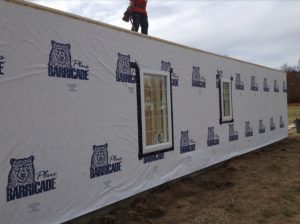 Without a well-sealed high qualify Weather Resistant Barrier (building wrap) between framing and siding, humidity inside wall will follow along with exterior relative humidity to a large extent.
Relative humidity levels above 60% can be detrimental to wood-framed walls. When wood is exposed to high humidity, it can lead to increased moisture content, which raises the risk of decay and mold growth. Studies indicate that maintaining indoor humidity levels between 30% and 50% is ideal for preventing moisture-related issues in wooden structures.
Your interior vapor barrier does prevent your dehumidifier from removing moisture from within walls. If your monitoring of wall humidity registers over 60%, you should look to remove siding a wall at a time and add building wrap, as it will allow moisture to escape outward, but not re-enter.
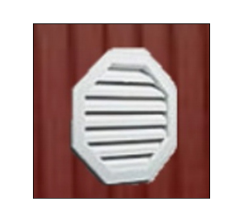 If this does not resolve problems, then you need ventilation. I will surmise your building does not have enclosed vented soffits and a vented ridge. Can’t go back and correct lack of overhang issues now, but you can add gable vents – a minimum of 242 square inches net free ventilation area in each endwall with vents located in top half of each gable.