This week readers “Ask the Guru” about an estimated cost for a building kit, concerns about a “moisture sandwich” when adding insulation and vapor barrier, and a risk to packing it to the exterior metal siding (with no air gap)?
DEAR POLE BARN GURU: 40×91.5 Calhoun. Looking to potentially build this kit. I was wondering what the estimated cost would be for a full build using this kit? Trying to figure out the budget, would like to keep total budget under 280k DENTON in BELTON
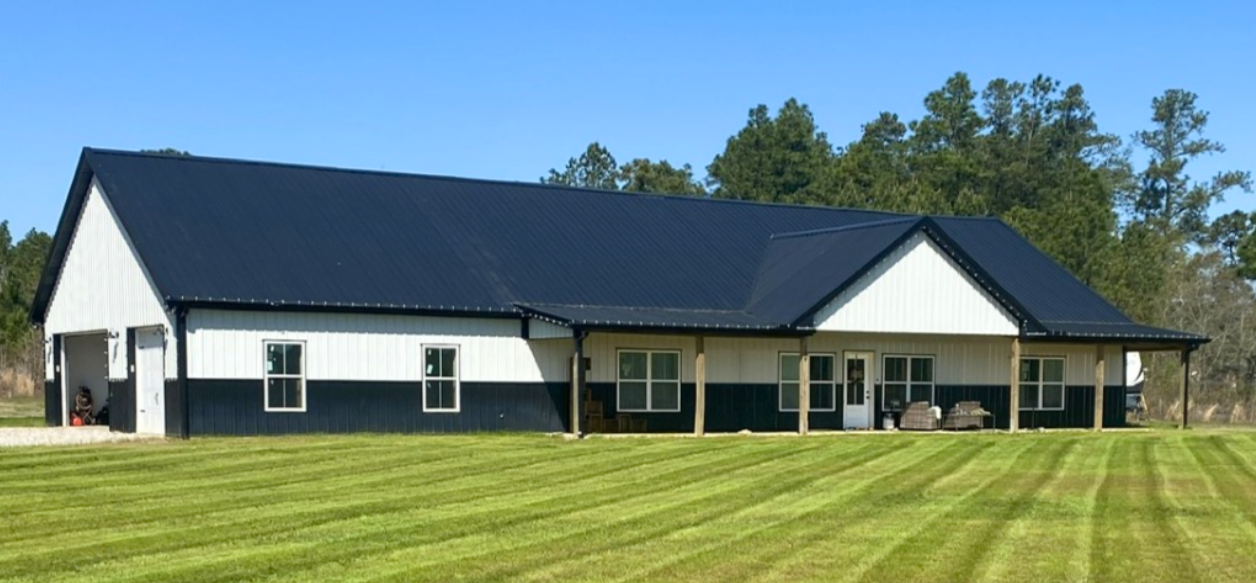
DEAR DENTON: Fully engineered post frame homes and barndominiums, modest tastes, DIY, budget roughly $75-85 per square foot for conditioned spaces, $35 for all others. Does not include land, site prep, utilities, permits.
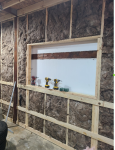 DEAR POLE BARN GURU: I currently have a 40x60x16 pole barn that I built with the walls insulated with standard Silvercote 2″ fiberglass/white vapor barrier lining on the inside portion of the building. I’m now looking to add Rockwool R-23 to the 2×8 bookshelf wall cavities over the existing 2″ insulation. Every conversation I’ve had with AI states to slit the vinyl backing with a razor vertically every 6″ or so before pressing the Rockwool in. This is to prevent a “moisture sandwich” between the rockwool and vinyl backing. Is this correct? I live in Colorado. The whole shop is 2×8 purlins and girts. The roof has been sprayed with 3″ closed cell foam. Looking to do this right. Walls will be covered with 3/4 plywood up to 12′ and a steel liner for the remaining 4′. I really appreciate any help you can provide. ERMELINDO in PEYTOM
DEAR ERMELINDO: Metal Building Insulation makes for more challenges than benefits gained from a very low effective R value (for extended reading: https://www.hansenpolebuildings.com/2011/11/metal-building-insulation/).
In order to create a “moisture sandwich” would require having a vapor barrier on each side of your Rockwool insulation. As Rockwool is unfaced, you have no internal vapor barrier. You should be able to leave facing on vinyl backing intact, just keep in mind your building will now dry to the inside. This means you may need to mechanically dehumidify to prevent mold and mildew. Should you slit this vinyl facing, as there is no interior vapor barrier, moisture could pass through your wall assembly and condense on interior face of your wall steel.
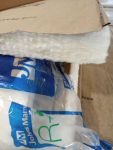 DEAR POLE BARN GURU: One last insulation question – there wouldn’t be a risk to packing it to the exterior metal siding (with no air gap)? TONY in BROCKPORT
DEAR TONY: Having an air gap in an insulated wall can significantly reduce thermal performance.
Impact on Insulation Efficiency
· Air gaps can allow convection currents, diminishing effectiveness of insulation materials.
· For fibrous insulation like fiberglass, unintentional gaps can severely degrade thermal performance, as they rely on trapped air to maintain their R-value.
Moisture Issues
· Gaps can permit warm, moist air to reach colder surfaces, leading to condensation and potential mold growth.
· This moisture can degrade insulation and wall structure over time.
Overall Building Performance
· Presence of air gaps can lead to increased energy costs due to reduced heating and cooling efficiency.
· It may also contribute to thermal bypasses, where air flows around insulation, further compromising building envelope.





In Zone 6A with Hansen kit 2×8 bookshelf girts and the proper bldg. wrap below steel siding, to achieve full cavity insulation without compression or air gaps, thinking about 2″ EPS 10PSI foam board pushed next to bldg. wrap followed by R19 fiberglass batts with gypsum board interior wall intended to provide a dry-to-the-exterior situation.
Material cost-only for a DIYer would be $1.30 / sqft (probably + a few spray foam cans to seal tightly).
This would yield approx R25-R27 in what I think is much lower cost than other common options.
MY questions:
1) Does 2″ EPS foam board have good enough vapor transfer properties to use with unfaced fiberglass in Zone 6A?
2) If not, would PVC primer on the gypsum board be a reasonable alternative?