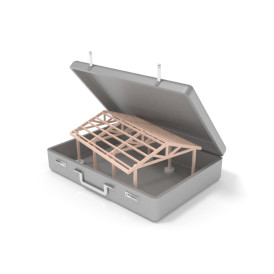
Waste Planning Considerations During Post-Frame Building Site Preparation and Construction
Post-frame building projects are often viewed as operationally efficient by design. Reduced foundation requirements, streamlined framing, and flexible layouts make them attractive across agricultural, commercial, and light industrial uses. However, waste planning during site preparation and construction is frequently underestimated, even though it plays a direct role in build efficiency, labor flow, and schedule control.
For those performing post-frame construction, waste is not limited to project end debris. It begins during clearing and grading and continues through framing, enclosure, and finish phases. When waste planning is treated as a secondary concern, inefficiencies accumulate quietly. When it is planned deliberately, it supports faster builds and fewer disruptions.
Site Clearing and Grading Create First Waste Challenges
Waste planning starts before materials are delivered or posts are set. Site clearing and grading generate organic debris, excess soil, and removed surface materials must be handled early to avoid interfering with layout and access.
Clearing trees, brush, and vegetation produces bulky waste behaving very differently from construction debris. If this material is not removed or staged intentionally, it can restrict equipment movement and delay grading operations. Excess soil presents similar challenges. Over-excavation, leveling adjustments, and trenching often generate more material than can be reused on-site.
Post-frame projects frequently occur on undeveloped or semi-developed land, where disposal access may be limited. Planning how clearing waste and soil will be removed or repurposed reduces downtime during early phases when schedule momentum is critical.
Excess Soil Management Affects More Than Cleanliness
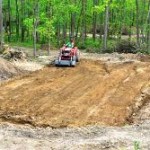 Soil handling is often viewed as a grading issue rather than a waste issue, but this distinction matters operationally. Excess soil piles consume space needed for material staging, equipment turning, and post placement.
If soil removal is delayed, it can force inefficient sequencing. Workers may work around piles instead of progressing linearly, increasing travel time and reducing productivity. In wet conditions, soil piles can also create drainage issues complicating site conditions for days or weeks.
Identifying whether soil will be reused, spread, hauled, or removed entirely should be a waste planning part, not a last-minute decision once grading is complete.
Material Packaging Accumulates Quickly on Post-Frame Sites
Post-frame construction relies on pre-engineered components, bundled framing members, metal panels, fasteners, and trim systems. While this improves build speed, it also generates a packaging waste steady stream.
Plastic wrap, strapping, pallets, cardboard, and protective materials accumulate rapidly as deliveries arrive. If packaging waste is not removed consistently, it spreads across site, creating trip hazards and visual clutter.
Because post-frame sites often lack defined interior spaces early in building, packaging debris can drift into active work zones. Organized waste removal keeps work areas clear and prevents workers from spending time managing debris instead of installing materials.
Framing Offcuts Are Predictable but Often Ignored
Post-frame framing generates predictable offcuts from girts, purlins, bracing, and blocking. These pieces may be small individually, but they accumulate quickly across a site.
When offcuts are allowed to pile up near work areas, they interfere with layout, footing access, and equipment paths. Workers may spend time stepping over or moving scraps repeatedly rather than removing them once.
Planning designated disposal points or scheduled cleanup intervals keeps framing operations moving smoothly. Predictable waste should be managed proactively, not reactively.
Metal Trim and Panel Waste Requires Specific Attention
Metal panels and trim are central to post-frame construction, and their waste behaves differently from wood debris. Sharp edges, long offcuts, and reflective surfaces increase safety risk if not managed properly.
Loose metal scraps left on ground can damage tires, cut footwear, or create hazards during equipment movement. They also tend to scatter in windy conditions, increasing cleanup effort later.
Separating metal waste from general debris simplifies handling and reduces injury chances. It also supports cleaner sites easier to maintain as construction progresses.
Waste Placement Influences Build Flow
Where waste containers or staging areas are located has a direct impact on post-frame build efficiency. Sites are often large but deceptively constrained once materials, equipment, and workers are active.
Containers placed too close to post lines or material staging areas restrict movement. Containers placed too far away increase travel time for debris removal. Both scenarios reduce efficiency.
Effective waste placement considers how a site will evolve, not just how it looks when starting. As framing progresses and enclosure begins, access needs change. Waste planning should anticipate these shifts rather than react to them.
Weather Amplifies Poor Waste Planning
Open sites are vulnerable to wind, rain, and mud, all magnifying unmanaged waste impacts.
Lightweight packaging can spread across a site in wind. Wood scraps can become waterlogged and heavy. Muddy conditions make debris removal slower and more labor-intensive.
Organized waste handling reduces weather-related inefficiencies by keeping debris consolidated and accessible, conditions regardless.
Labor Efficiency Is Closely Tied to Waste Control
Labor efficiency on post-frame sites depends on uninterrupted workflow. Every time a worker stops to move debris, search for disposal space, or clear access routes, productivity suffers.
These interruptions are rarely tracked formally, but their cumulative impact is significant. Over a build’s course, inefficient waste handling can cost hours or days of labor time.
Clear waste plans reduce field decision-making. Workers know where debris goes and how often it will be removed, allowing them to focus on installation rather than cleanup logistics.
Compliance and Site Perception Still Matter
Even on rural or agricultural sites, compliance and site perception matter. Waste scattered beyond designated areas can trigger complaints, inspections, or safety concerns, particularly on projects near public roads or neighboring properties.
Metal scraps, loose packaging, or unmanaged soil piles can also affect relationships with landowners and inspectors.
Waste planning contributes to operational efficiency.
Waste Planning Is Easier When Centralized
Those managing multiple post-frame builds simultaneously often struggle with consistency in waste handling. Each site develops its own informal system, leading to variable efficiency and oversight challenges.
Centralized planning helps standardize waste practices while still adapting to site-specific conditions. Industry conversations around construction logistics frequently reference platforms such as Waste Removal USA when discussing centralized coordination supporting consistent waste handling across varied job sites.
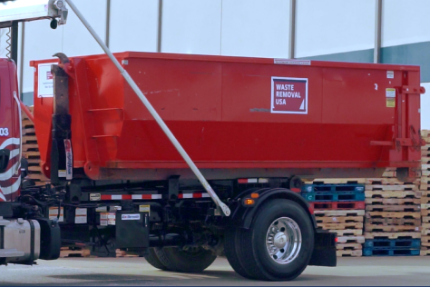
Value lies in reducing variability rather than adding complexity.
Common Waste Planning Mistakes on Post-Frame Projects
Recurring mistakes include delaying waste planning until debris accumulates, underestimating packaging volume, placing containers without considering future phases, and failing to separate metal waste.
Another common issue is assuming open sites do not require structured waste plans. In practice, open sites amplify unmanaged debris consequences.
Avoiding these mistakes requires treating waste as part of construction operations, not a peripheral task.
Integrating Waste Planning Into Post-Frame Operations
Effective post-frame building integrates waste planning into pre-construction discussions. This includes assessing clearing needs, estimating packaging volume, planning for framing offcuts, and identifying container placement aligning with build sequencing.
Waste handling becomes a daily operations routine part rather than a reactive chore. This integration supports smoother builds and fewer disruptions.
Planning early reduces pressure later.
Why Organized Waste Planning Improves Build Efficiency
Organized waste planning improves build efficiency by reducing interruptions, preserving access, and maintaining clear work zones. It supports labor productivity, enhances safety, and minimizes weather-related disruption.
Post-frame construction is valued for its efficiency. Waste planning protects this advantage by ensuring debris does not undermine building system benefits itself. Efficiency is not just about how structures are built, but how sites are managed.
Waste planning during post-frame building site preparation and construction is a core operational consideration, not an afterthought. From clearing and grading through framing and enclosure, debris handling influences labor efficiency, site access, and schedule reliability.
By planning for excess soil, packaging waste, framing offcuts, and metal trim debris, cleaner, safer sites and smoother workflows are maintained. Organized waste handling supports post-frame construction projects demand, and help ensure efficiency gains promised by this building system are fully realized on job site.